The Partnership for Inclusive Disaster Strategies has been collaborating with Senator Blumenthal (D-CT), Congresswoman Dingell (D-MI), and Congressman Panetta (D-CA) on the Real Emergency Access for Aging and Disability Inclusion (REAADI) for Disasters Act and Disaster Relief Medicaid Act (DRMA). These two historic pieces of disability and disaster legislation will dismantle barriers faced by disaster-impacted people with disabilities, older adults, people with access and functional needs, and other Medicaid-eligible people impacted by disasters; improve outcomes; and increase disaster resources for disability organizations, emergency managers, and local communities.
Since the first iterations of REAADI and DRMA in 2018,Senator Casey (D-PA)led the efforts on these two transformative pieces of legislation. At the end of his term in 2025, he passed the torch on these bills to Senator Blumenthal (D-CT).
Since the first iteration of REAADI in 2018,Congressman Langevin (D-RI)led the efforts on REAADI in the House. At the end of his retirement in 2023, he passed the torch to Congresswoman Dingell.
REAADI will:
Center disabled people and older adults as decisionmakers in disaster preparedness, response, recovery, and mitigation.
Require disability civil rights compliance in disaster programs and spending, including the ADA and Rehabilitation Act obligations.
Ensure disaster funds must be used for accessibility, including accessible shelters, effective communication, accessible services, and visitability standards.
Invest in disability-led training, technical assistance, and research through a national network of Disaster and Disability Centers by establishing 10 regional TA centers and 10 Regional research centers.
Recognize the role of Centers for Independent Living as essential partners in local disaster preparedness, response, and recovery.
Create a dedicated Disaster Human Services Emergency Fund that will authorize $100 million per year for five years (FY 2026–2030) for community-based response efforts that help people remain in or return to their homes and avoid institutionalization during and after disasters.
Fund large-scale, disability-inclusive preparedness grants that will authorize $300 million per year for five years (FY 2026–2030) for communities to build accessible, coordinated systems before disasters occur.
Protect civil rights in health care during disasters by codifying non-discriminatory Crisis Standards of Care for all disasters and public health emergencies.
Strengthen accountability and oversight through Government Accountability Office (GAO) review of disaster spending and review of disaster-related civil rights settlements back to January 1, 2005.
Provide uninterrupted access to Medicaid services when recipients must evacuate across state lines, which increases health maintenance and community living, and prevents institutionalization during disasters;
Help States meet the needs of Relief-Eligible Survivors through a two-year 100% federal match for displaced individuals;
Provide technical assistance and support to develop innovative state-wide strategies to respond to an influx of out-of-state individuals;
Create a grant to help States develop an emergency response corps to provide home and community-based services; and
Guarantee that a 100% federal matching payment for medical assistance is provided to states in disaster areas.
This website uses cookies to improve your experience while you navigate through the website. Out of these, the cookies that are categorized as necessary are stored on your browser as they are essential for the working of basic functionalities of the website. We also use third-party cookies that help us analyze and understand how you use this website. These cookies will be stored in your browser only with your consent. You also have the option to opt-out of these cookies. But opting out of some of these cookies may affect your browsing experience.
Necessary cookies are absolutely essential for the website to function properly. This category only includes cookies that ensures basic functionalities and security features of the website. These cookies do not store any personal information.
Any cookies that may not be particularly necessary for the website to function and is used specifically to collect user personal data via analytics, ads, other embedded contents are termed as non-necessary cookies. It is mandatory to procure user consent prior to running these cookies on your website.
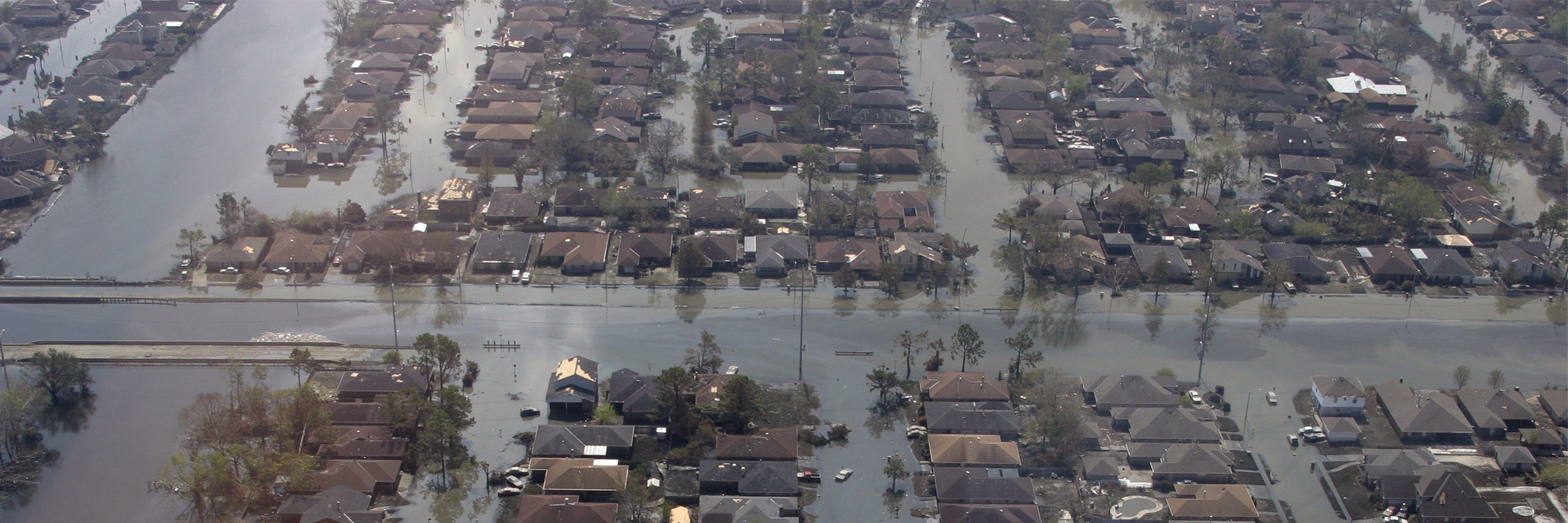
What are REAADI and DRMA?
The Partnership for Inclusive Disaster Strategies has been collaborating with Senator Blumenthal (D-CT), Congresswoman Dingell (D-MI), and Congressman Panetta (D-CA) on the Real Emergency Access for Aging and Disability Inclusion (REAADI) for Disasters Act and Disaster Relief Medicaid Act (DRMA). These two historic pieces of disability and disaster legislation will dismantle barriers faced by disaster-impacted people with disabilities, older adults, people with access and functional needs, and other Medicaid-eligible people impacted by disasters; improve outcomes; and increase disaster resources for disability organizations, emergency managers, and local communities.
Since the first iterations of REAADI and DRMA in 2018, Senator Casey (D-PA) led the efforts on these two transformative pieces of legislation. At the end of his term in 2025, he passed the torch on these bills to Senator Blumenthal (D-CT).
Since the first iteration of REAADI in 2018, Congressman Langevin (D-RI) led the efforts on REAADI in the House. At the end of his retirement in 2023, he passed the torch to Congresswoman Dingell.
REAADI will:
DRMA will:
Take action now!
Learn what advocates and organizations can do to support the passage of REAADI and DRMA.
Follow us on social media!
Follow us on Twitter
My Tweets